The phrase "Adla Badli" — exchange, reversal, reshuffling — suggests transformation that is not merely cosmetic. In this work, transformation is social choreography: identities are traded like costumes, norms are inverted, and the scaffold of respectability trembles. The modifier "2023" anchors these dynamics in a specific, media-saturated year when digital platforms accelerated cultural feedback loops. What once simmered quietly now detonated publicly, magnified by virality, algorithmic taste, and the relentlessness of scroll culture.

Stylistically, the subject lends itself to polyphonic treatment. A compelling commentary moves between close reading and broad cultural sweep: it analyzes emblematic incidents, unpacks why certain gestures provoked scandal, and traces how language (labels, hashtags, memes) reframed actors from pariahs to protagonists. It pays attention to power asymmetries — who gets to be called "original" without consequence, and who is punished for similar choices — and interrogates how caste, gender, class, and religion shape reception.

"Adla Badli 2023 — Besharams Original" captures a restless cultural moment: the push-and-pull between reinvention and inheritance, outrage and celebration, the private self and its public performance. At once a title and a thesis, it invites questions about who gets to rewrite stories, why some voices wear the label "besharam" (shameless) as a badge of courage, and how 2023's social currents reframed old conflicts into urgent new ones.

"Besharams Original" is a deliberate provocation. To call someone "besharam" is to condemn in one breath and to celebrate in another. The term functions dialectically here: the stigma of shamelessness becomes a radical resource. Those labeled "besharams" refuse erasure; they claim visibility, insist on bodily and expressive autonomy, and weaponize sincerity against polite erasure. The adjective "Original" stakes a claim to authenticity that resists commodification — a reminder that rebellion can be both raw and rooted, not just a trend for clicks.
Why Choose Facts Guru App?

India’s #1 Fact App Download with Unique and Exciting Features

Daily Updated Facts

Get fresh and unique Rochak Jankari in Hindi every day.

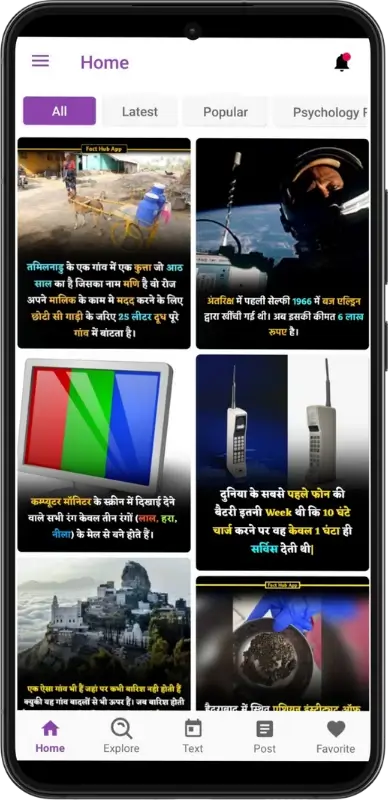
Trending Facts

Stay updated with the most popular and viral facts in Hindi.

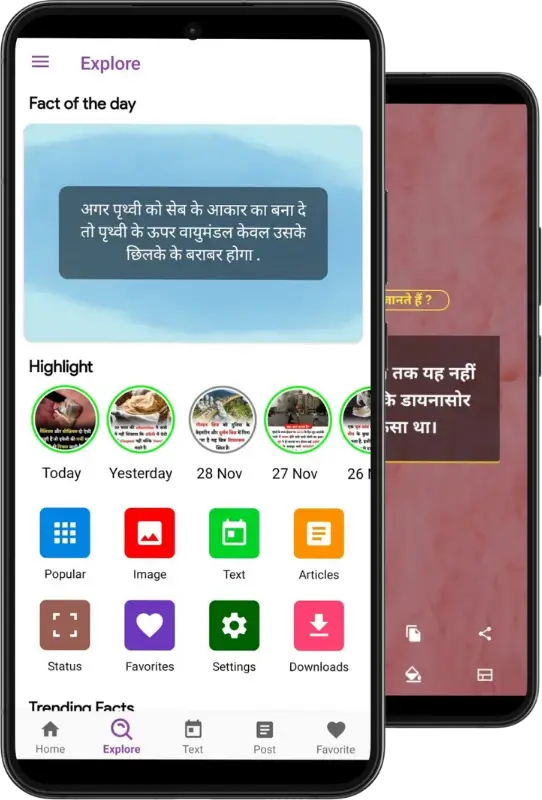
Highlight of the Day

Explore the most remarkable fact selected as the highlight of the day.

Easy Sharing

Share amazing and interesting facts directly with friends and family.

facts in hindi

Informative Articles

Dive into detailed articles about science, history, and more in Hindi.

Daily Notifications

Stay updated with a new fact every morning through push notifications.

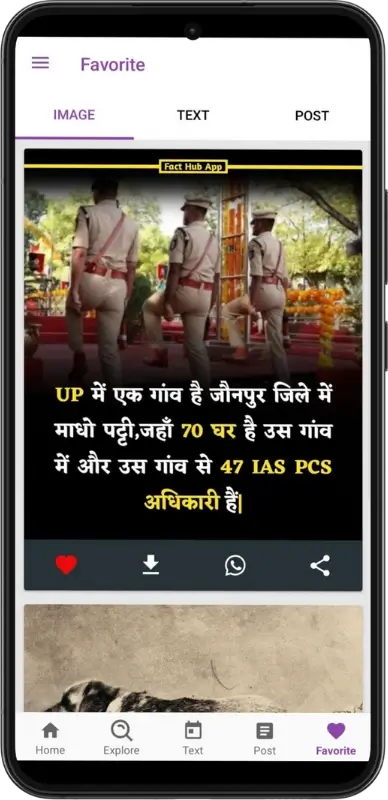
Save Favorite Facts

Bookmark your favorite facts and revisit them anytime.

User-Friendly Design

Enjoy a smooth, intuitive, and visually appealing interface.

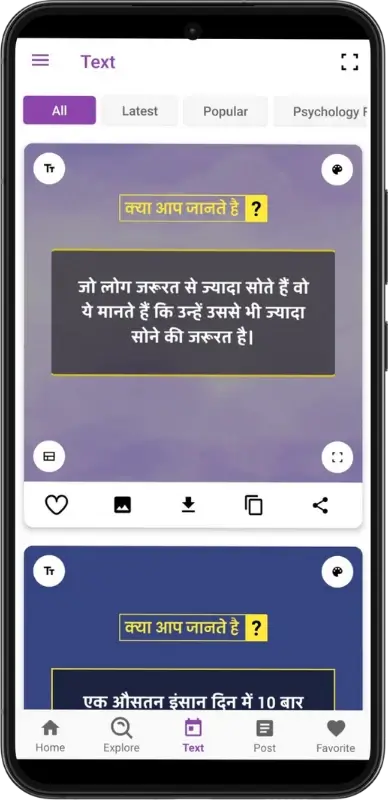
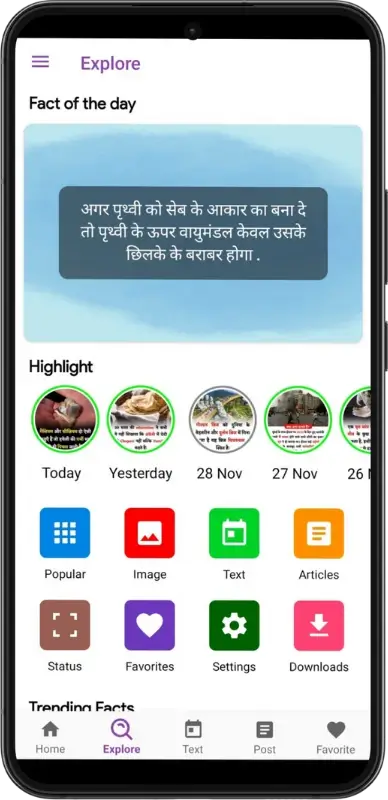
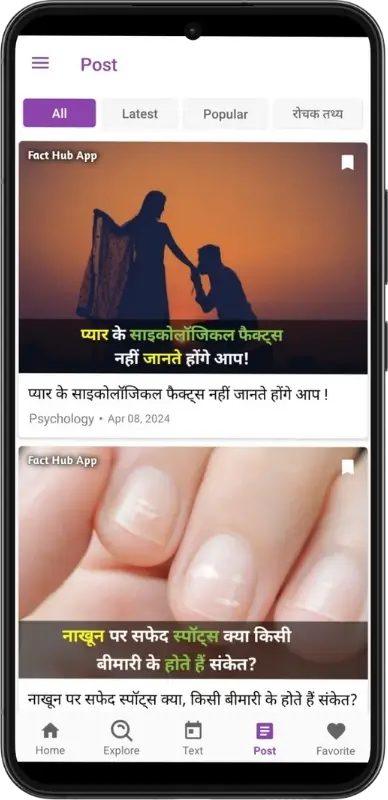
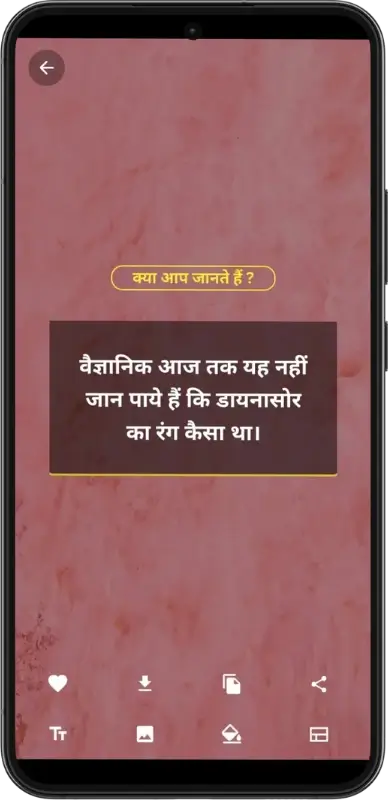
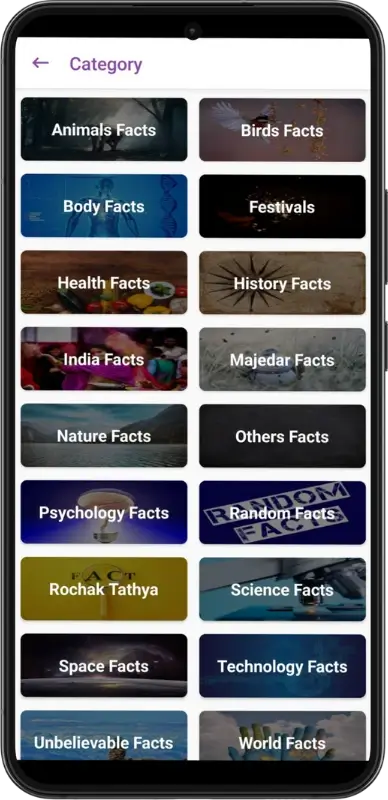
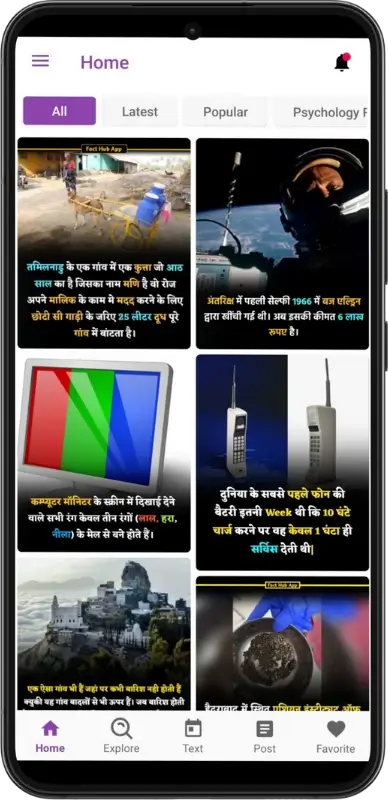
App Screenshot of Facts Guru

See how our Hindi Facts App makes learning fun and engaging!

Why Choose Facts Guru?

Join our growing community of curious minds and fact lovers!

270k+

Downloads Worldwide

4.6/5

Average User Rating

More Amazing Facts

Their are many type of Facts

amazing facts app

Rochak Tathya in Hindi

Facts in Hindi

Interesting Facts in Hindi

Psychology Facts in Hindi

Kya Aap Jante Hai Facts in Hindi

Mysterious Facts in Hindi

Daily Facts in Hindi

Amazing Science Facts, History Facts, Funny Facts, Unbelievable Facts, Random facts, Technology Facts.

Adla — Badli 2023 Besharams Original

The phrase "Adla Badli" — exchange, reversal, reshuffling — suggests transformation that is not merely cosmetic. In this work, transformation is social choreography: identities are traded like costumes, norms are inverted, and the scaffold of respectability trembles. The modifier "2023" anchors these dynamics in a specific, media-saturated year when digital platforms accelerated cultural feedback loops. What once simmered quietly now detonated publicly, magnified by virality, algorithmic taste, and the relentlessness of scroll culture.

Stylistically, the subject lends itself to polyphonic treatment. A compelling commentary moves between close reading and broad cultural sweep: it analyzes emblematic incidents, unpacks why certain gestures provoked scandal, and traces how language (labels, hashtags, memes) reframed actors from pariahs to protagonists. It pays attention to power asymmetries — who gets to be called "original" without consequence, and who is punished for similar choices — and interrogates how caste, gender, class, and religion shape reception. adla badli 2023 besharams original

"Adla Badli 2023 — Besharams Original" captures a restless cultural moment: the push-and-pull between reinvention and inheritance, outrage and celebration, the private self and its public performance. At once a title and a thesis, it invites questions about who gets to rewrite stories, why some voices wear the label "besharam" (shameless) as a badge of courage, and how 2023's social currents reframed old conflicts into urgent new ones. The phrase "Adla Badli" — exchange, reversal, reshuffling

"Besharams Original" is a deliberate provocation. To call someone "besharam" is to condemn in one breath and to celebrate in another. The term functions dialectically here: the stigma of shamelessness becomes a radical resource. Those labeled "besharams" refuse erasure; they claim visibility, insist on bodily and expressive autonomy, and weaponize sincerity against polite erasure. The adjective "Original" stakes a claim to authenticity that resists commodification — a reminder that rebellion can be both raw and rooted, not just a trend for clicks. What once simmered quietly now detonated publicly, magnified