
Giglad -
In conclusion, the gig economy is a complex and multifaceted phenomenon that offers both benefits and drawbacks. While gig work provides autonomy, flexibility, and new opportunities for entrepreneurship, it also raises concerns about precarity, exploitation, and the erosion of traditional employment arrangements. As the gig economy continues to grow, it is essential that policymakers, business leaders, and workers themselves engage in a critical examination of its impact on workers' rights, the labor market, and society as a whole.
However, beneath the surface of this gig-based economy lies a complex web of issues that warrant critical examination. This essay will explore the rise of gigs and freelance work, examining both the benefits and drawbacks of this emerging economy. Specifically, it will investigate the impact of gig work on workers' rights, the erosion of traditional employment arrangements, and the consequences of a increasingly precarious labor market.
However, the gig economy is also characterized by precarity and exploitation. Many gig workers lack access to basic employment rights, such as health insurance, paid time off, or workers' compensation. This is because they are classified as independent contractors, rather than employees, which can leave them vulnerable to exploitation. For instance, Uber drivers have reported long hours, low pay, and intense pressure to meet performance targets, all while bearing the costs of maintaining their vehicles and equipment. giglad
One of the primary attractions of gig work is its promise of autonomy and flexibility. Platforms like Upwork, Freelancer, and Fiverr allow individuals to choose when, where, and how they work, enabling them to pursue projects that align with their interests and skills. This flexibility is particularly appealing to those with caregiving responsibilities, students, or individuals who value work-life balance. Moreover, gig work provides an opportunity for people to diversify their income streams, supplementing their primary income or building a safety net in uncertain times.
The gig economy, also known as the sharing or on-demand economy, has experienced rapid growth over the past decade, transforming the way people work and interact with one another. At its core, the gig economy is characterized by short-term, flexible, and often precarious work arrangements, where individuals engage in various "gigs" or freelance projects rather than traditional, full-time employment. This shift has been driven in part by platforms like Uber, Airbnb, and TaskRabbit, which have created new opportunities for people to monetize their skills, assets, and free time. In conclusion, the gig economy is a complex
The rise of gig work has also contributed to the erosion of traditional employment arrangements. As more people turn to freelance or contract work, the concept of a traditional 9-to-5 job is becoming increasingly obsolete. While some may see this as a liberating trend, it also raises concerns about the future of work and the social safety net. Without access to employer-sponsored benefits, such as health insurance or retirement plans, gig workers may rely on government assistance programs or private insurance plans, which can be inadequate or unaffordable.
The proliferation of gig platforms has also created new opportunities for people to monetize their skills and assets. For example, drivers can work for Uber or Lyft, while homeowners can rent out their properties on Airbnb. This has led to a proliferation of micro-entrepreneurs, who are able to turn their hobbies or spare time into income-generating activities. In this sense, the gig economy can be seen as a democratizing force, enabling people to become their own bosses and create their own work arrangements. However, beneath the surface of this gig-based economy
The gig economy has significant consequences for the labor market as a whole. As more people engage in precarious work arrangements, there is a risk that the entire labor market will become more unstable and insecure. This could lead to a decrease in worker morale, productivity, and overall well-being. Moreover, the lack of job security and stability can make it difficult for workers to invest in their skills and education, which can limit their future earning potential and perpetuate cycles of poverty.
There is no way Gmail offers more functionality that Outlook.
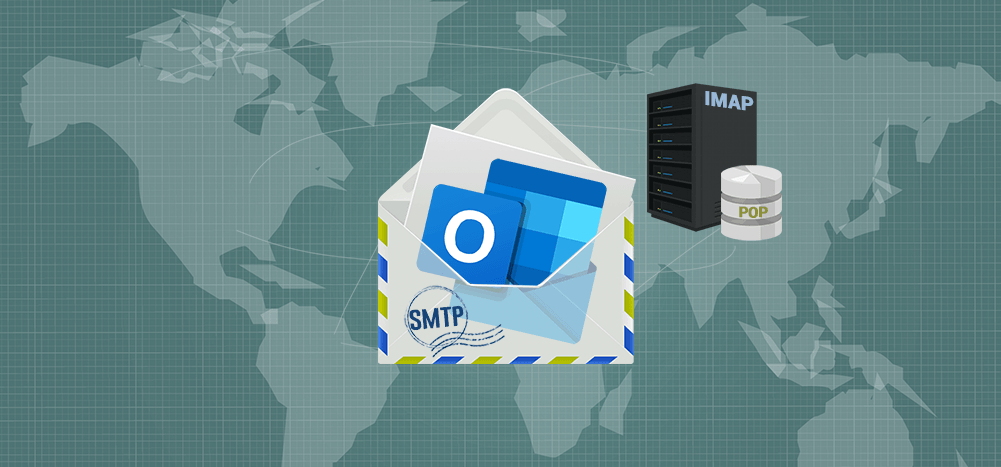
I have tried to set up an email using imap and it comes up saying we couldnt connect to the ourtgoint (SMTP) server. Please check the outgoint (SMTP) server settings and try again. Have you any suggestions how to resolve the problem?
windows live account configure in outlook 2010
please update outgoing server and port
Hi Shahir,
Those ports and server information are correct. Please refer to Microsoft’s support article that outlines the same server and ports for both SMTP and IMAP: https://support.microsoft.com/en-us/office/add-your-outlook-com-account-in-outlook-for-windows-642c1902-bdd9-4dc3-abe7-76d60b148b23#ID0EBBH=Office_2007_-_2010
not new outlook. it’s not 2025 / 2024
Hello,
I currently have a program that generates mass emails at the end of each month when sending customer invoices. The program uses Outlook as its interface for sending emails, and Outlook is configured with G‑Suite IMAP/SMTP settings.
My question is: how can GMass be utilized in this scenario, given that I am not directly connected to Gmail but only through Google’s incoming and outgoing servers? Specifically, is it possible to configure GMass to send more than 2,000 emails per day, since Google currently caps me at that number?
Thank you for your guidance.
Hello,
I currently have a program that generates mass emails at the end of each month when sending customer invoices. The program uses Outlook as its interface for sending emails, and Outlook is configured with G‑Suite IMAP/SMTP settings.
My question is: how can GMass be utilized in this scenario, given that I am not directly connected to Gmail but only through Google’s incoming and outgoing servers? Specifically, is it possible to configure GMass to send more than 2,000 emails per day, since Google currently caps me at that number?
Thank you for your guidance.
Hello,
I currently have a program that generates mass emails at the end of each month when sending customer invoices. The program uses Outlook as its interface for sending emails, and Outlook is configured with G‑Suite IMAP/SMTP settings.
My question is: how can GMass be utilized in this scenario, given that I am not directly connected to Gmail but only through Google’s incoming and outgoing servers? Specifically, is it possible to configure GMass to send more than 2,000 emails per day, since Google currently caps me at that number?
Thank you for your guidance.