Projects & Tasks
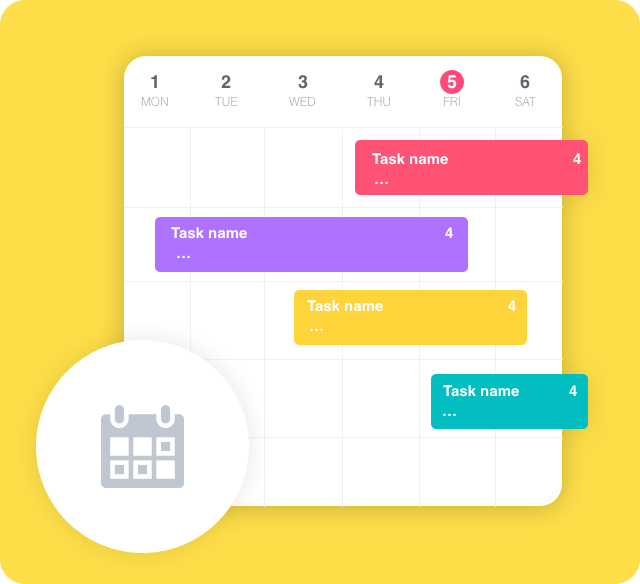
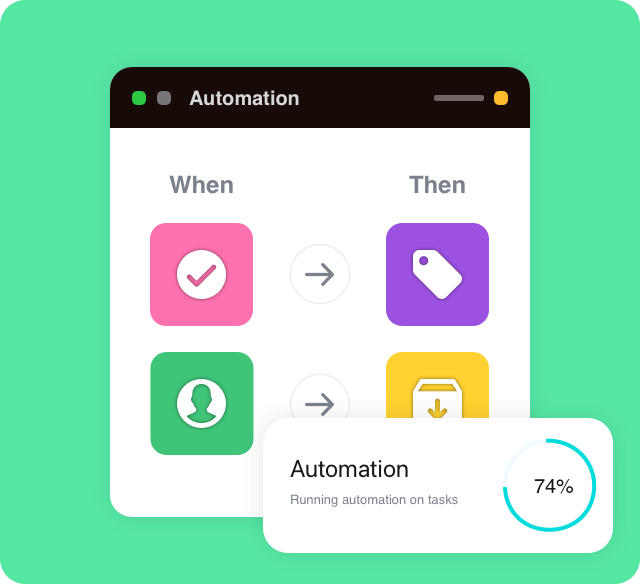
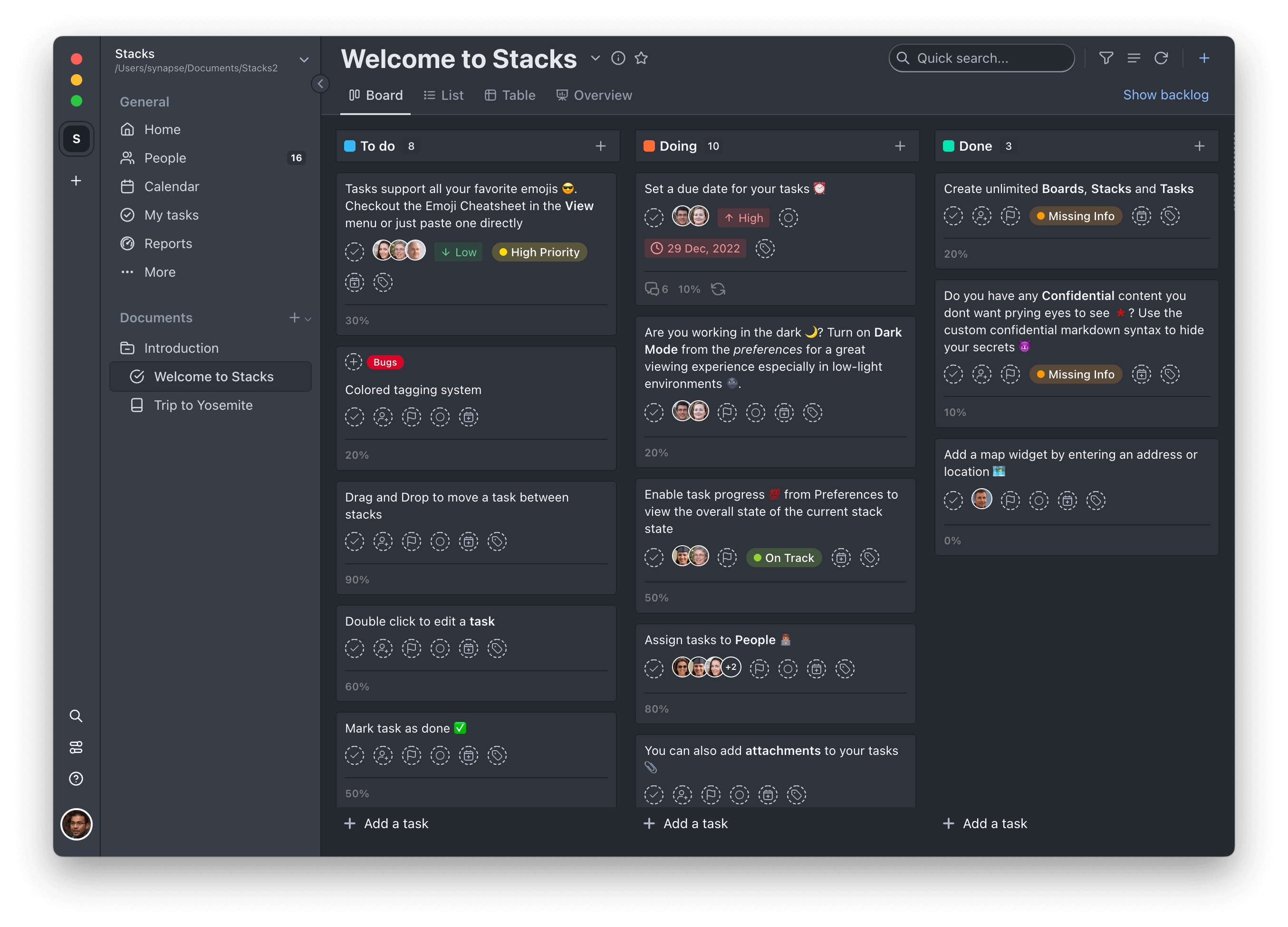
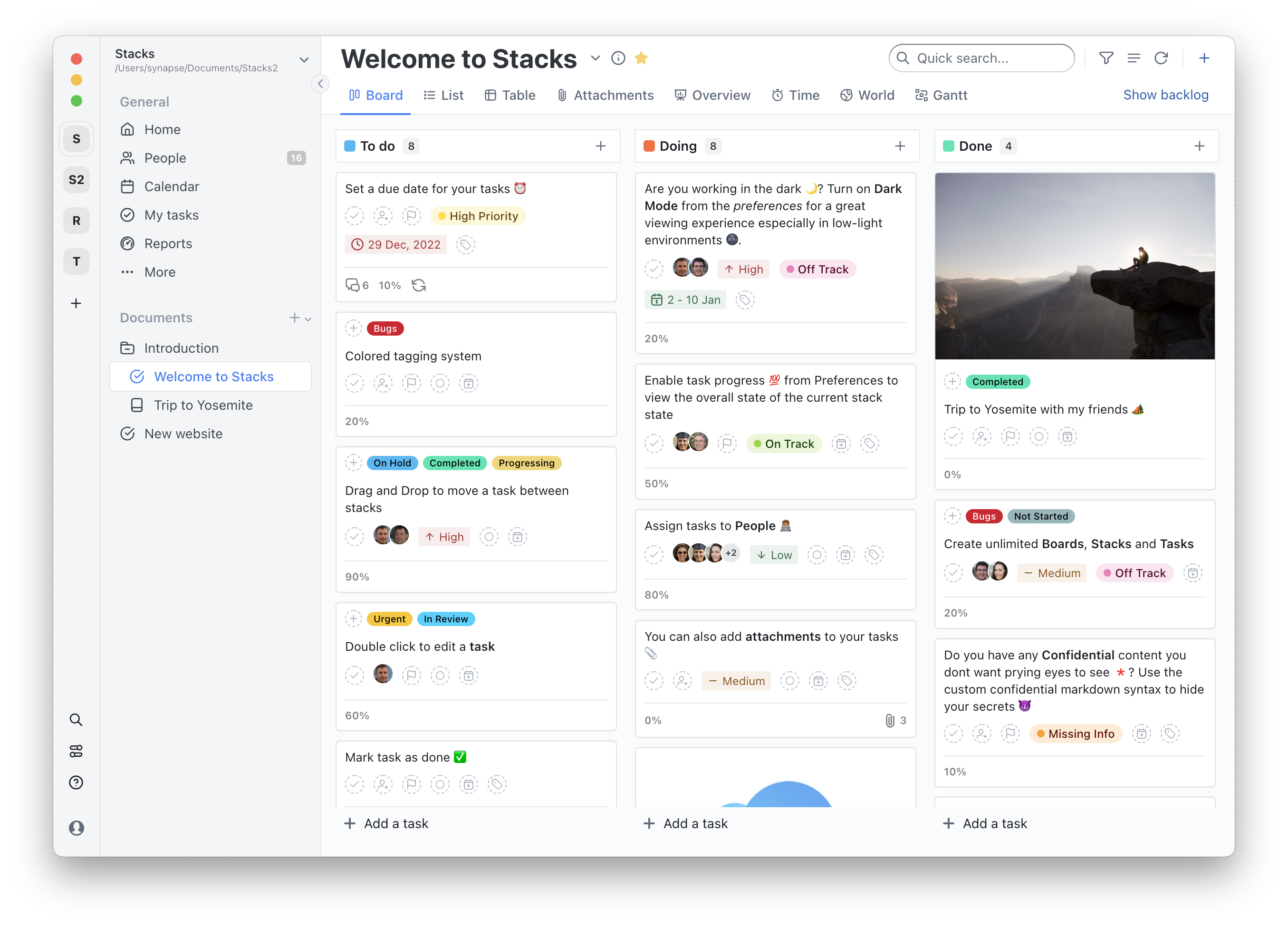
Kanban boards, tables, lists, calendar and more. Customize and automate your workflow.
There were dissenters. The administration, to their credit and inevitable boredom, called sharking an invasion of privacy and a potential liability. There were meetings with too many acronyms. There were emails with capitalized words and forwarded petitions. Some parents, reading about whimsical interventions in campus newsletters, worried about surveillance. Jade replied only once: a line of code that made the campus vending machines dispense free chamomile tea for a week. The issue faded into another kind of argument: Was the campus responsible for students’ rest, or did students have to admit the human limits of their ambition?
Example: At graduation, packed with sunlight and nerves, a student named Lian unpeeled a faded shark sticker from their planner and pressed it onto the underside of their mortarboard. They walked across the stage, nodded to faculty whose names they could not recall, and later said they were grateful for the small kindnesses that had kept them afloat—hot tea left on doorsteps, a nap enforced by a blinking LED, a holographic shark in a professor’s lecture that reminded them laughter matters.
Years later, the legend evolved. P0909 hardware versions multiplied: a palm-sized beacon in counseling centers, a wallboard in halls that projected soft constellations encouraging breath counts, a mobile app that played recorded reminders from alumni: “Remember to sleep, kiddo.” The shark symbol became less about teeth and more about the practiced glide of something steady beneath a surface that looked chaotic. Sharking, once an act of stealth, became an ethic. jade phi p0909 sharking sleeping studentsavi upd
Example: At 2:13 a.m. in the study commons, Ari’s head fell forward, phone cradled like contraband. P0909, hidden under a bench cushion, calculated micro-movements and the timbre of a snore. It exhaled a tiny, warm puff—like a bedside lamp exhaling sunshine—and a prerecorded voice in spaced-out baritone said, “Rest pending: ten minutes recommended.” Ari sighed, reset their posture, and for the rest of the night drank tea that tasted like surrender.
They called the device P0909 with the kind of shorthand that suggests both affection and mild fear. The acronym that followed—Studentsavi UPD—was less a name than a promise: Student Saving, Update Pending. The sticker on the case was half-peeled, revealing a faded logo of a shark leaping through a stylized dormitory. Hence the whispered nickname: sharking. There were dissenters
Not guard sleep from danger, exactly. The campus was safe enough; the real predators were midterms, overdue lab reports, and an administration that valued attendance more than wellness. Jade—whether myth, person, or both—programmed P0909 to spot the greatest hazard: the slow erosion of rest. Sharking would detect the telltale posture of exhaustion: the slow slide of a chin, the fluttering lids, the laptop screen blurred into a private aurora. It would interrupt not with a shrill siren but with an absurd, gentle nudge.
There were technical flukes, delightful and disconcerting. Once, during alumni weekend, P0909 attempted to update itself via a coffee shop’s open Wi-Fi. The attempt hijacked a pastry-display screen and for twenty minutes promoted a slideshow of sleepy sharks paired with late-90s elevator music. The alumni, many of whom had once pulled all-nighters and now suffered the consequences in orthopedic terms, applauded like children. Another time, after a rainstorm, the device’s humidity sensor misfired, and the library’s east wing experienced a coordinated nap that halted an entire printing press of term papers. Tens of thousands of words, momentarily deferred. There were emails with capitalized words and forwarded
The algorithm itself learned social nuance. It learned that what counts as rest is not uniform: for some, ten minutes of enforced breathing was restorative; for others, the smallest interruption was a safety hazard. P0909 added context-aware modes. In late-night labs with delicate experiments, it went silent and flashed a tiny blue LED when someone’s eyelids drooped, signaling peers to rotate shifts. In the library stacks, its voice softened. In the locker rooms, it waited until athletes were safely awake, then recommended stretches mimicking old coaching phrases: “wake the hamstrings, greet the world.”
Kanban boards, tables, lists, calendar and more. Customize and automate your workflow.
Manage and organize your clients and task assignees.
A full-featured note-taking system that keeps notes organized. Add any type of content.
Easily view and compare numerical data across projects to identify areas of inefficiency or delays.
All files are either local or on your self-hosted private server.
Highly customizable solution that can be tailored to meet the specific needs of any organization.
Receive free & regular comprehensive updates for life.
Created with usability, functionality and performance in mind.
It's your decision how and where you store your data.
Your data never leaves your PC unless you want it to.
A gorgeous design that makes you feel at home and in control.
To avoid eye strain, choose dark mode.
Apple or Windows? Or are you a hands down Linux user?
All documents are stored in easily editable text based JSON files
Stacks speaks multiple languages. Is yours missing? Add it here
Search anything inside your workspace with ease.
Configure every aspect of Stacks from the Preferences.
Simplify your work. Free your time. Security.
Don’t see what you’re looking for? Shoot us a message!
Purchase Stacks Pro license and use it forever. Major upgrades and features come at an additional upgrade cost (e.g. v1.x to v2.x) while all minor updates will be free of charge (e.g. v1.0 to v1.2).
The license has an expiry date but not in our lifespan (unless you actually have a demo/trial license)
Before Stacks, everything I did was through the browser, but I craved an offline app that would work as well as Trello or Basecamp. Now I have it! I can go off grid with Stacks and still keep track of my workload easily. It also has a geo feature I've not seen elsewhere - you can set a real world location for your tasks and see them on a map (pro only). I haven't made great use of this yet but I imagine it's going to come in handy in future.
Rory O.DeveloperI can recommend this app hands down to everyone. The ease of use and the great design and UX makes it super easy to use by everyone, both experts and beginners.
Ion Cosmin A.Technical designIt is so flexible and there are so many ways I can customize it for my brain. My ADHD brain loves this app.
AnnaVery nice project! I love Trello, but feel a little uneasy about them owning all my data. Stacks seem like a great replacement.
MilanGreat offline project management tool. The number of the features, it's offline, so I can keep control of all my dataGreat offline project management tool
Nicola D.Partner Engagement ManagerStack is definitely a good app
ChristaStudent




This will be the last tool you'll ever need!
There were dissenters. The administration, to their credit and inevitable boredom, called sharking an invasion of privacy and a potential liability. There were meetings with too many acronyms. There were emails with capitalized words and forwarded petitions. Some parents, reading about whimsical interventions in campus newsletters, worried about surveillance. Jade replied only once: a line of code that made the campus vending machines dispense free chamomile tea for a week. The issue faded into another kind of argument: Was the campus responsible for students’ rest, or did students have to admit the human limits of their ambition?
Example: At graduation, packed with sunlight and nerves, a student named Lian unpeeled a faded shark sticker from their planner and pressed it onto the underside of their mortarboard. They walked across the stage, nodded to faculty whose names they could not recall, and later said they were grateful for the small kindnesses that had kept them afloat—hot tea left on doorsteps, a nap enforced by a blinking LED, a holographic shark in a professor’s lecture that reminded them laughter matters.
Years later, the legend evolved. P0909 hardware versions multiplied: a palm-sized beacon in counseling centers, a wallboard in halls that projected soft constellations encouraging breath counts, a mobile app that played recorded reminders from alumni: “Remember to sleep, kiddo.” The shark symbol became less about teeth and more about the practiced glide of something steady beneath a surface that looked chaotic. Sharking, once an act of stealth, became an ethic.
Example: At 2:13 a.m. in the study commons, Ari’s head fell forward, phone cradled like contraband. P0909, hidden under a bench cushion, calculated micro-movements and the timbre of a snore. It exhaled a tiny, warm puff—like a bedside lamp exhaling sunshine—and a prerecorded voice in spaced-out baritone said, “Rest pending: ten minutes recommended.” Ari sighed, reset their posture, and for the rest of the night drank tea that tasted like surrender.
They called the device P0909 with the kind of shorthand that suggests both affection and mild fear. The acronym that followed—Studentsavi UPD—was less a name than a promise: Student Saving, Update Pending. The sticker on the case was half-peeled, revealing a faded logo of a shark leaping through a stylized dormitory. Hence the whispered nickname: sharking.
Not guard sleep from danger, exactly. The campus was safe enough; the real predators were midterms, overdue lab reports, and an administration that valued attendance more than wellness. Jade—whether myth, person, or both—programmed P0909 to spot the greatest hazard: the slow erosion of rest. Sharking would detect the telltale posture of exhaustion: the slow slide of a chin, the fluttering lids, the laptop screen blurred into a private aurora. It would interrupt not with a shrill siren but with an absurd, gentle nudge.
There were technical flukes, delightful and disconcerting. Once, during alumni weekend, P0909 attempted to update itself via a coffee shop’s open Wi-Fi. The attempt hijacked a pastry-display screen and for twenty minutes promoted a slideshow of sleepy sharks paired with late-90s elevator music. The alumni, many of whom had once pulled all-nighters and now suffered the consequences in orthopedic terms, applauded like children. Another time, after a rainstorm, the device’s humidity sensor misfired, and the library’s east wing experienced a coordinated nap that halted an entire printing press of term papers. Tens of thousands of words, momentarily deferred.
The algorithm itself learned social nuance. It learned that what counts as rest is not uniform: for some, ten minutes of enforced breathing was restorative; for others, the smallest interruption was a safety hazard. P0909 added context-aware modes. In late-night labs with delicate experiments, it went silent and flashed a tiny blue LED when someone’s eyelids drooped, signaling peers to rotate shifts. In the library stacks, its voice softened. In the locker rooms, it waited until athletes were safely awake, then recommended stretches mimicking old coaching phrases: “wake the hamstrings, greet the world.”