Veterinary science plays a critical role in understanding and addressing animal behavior. Veterinarians are trained to diagnose and treat medical conditions that can affect animal behavior, such as pain, anxiety, and neurological disorders. By combining behavioral observations with medical evaluations, veterinarians can develop effective treatment plans that address both the physical and behavioral needs of animals.
As we continue to learn more about the intricate social structures and behaviors of animals, the field of animal behavior and veterinary science has become increasingly important. This interdisciplinary field combines the principles of animal behavior, psychology, biology, and veterinary medicine to understand and improve the welfare of animals. In this article, we will explore the fascinating world of animal behavior and veterinary science, highlighting the latest research and advancements in the field.
The field of animal behavior and veterinary science is rapidly evolving, with new research and advancements emerging regularly. By combining the principles of animal behavior, psychology, biology, and veterinary medicine, researchers and practitioners can gain a deeper understanding of animal behavior and improve animal welfare. As we continue to learn more about the complex social behaviors and emotional lives of animals, we can develop more effective strategies for promoting human-animal bonding and improving the lives of animals worldwide.
Animal behavior is a complex and multifaceted field that seeks to understand the interactions between animals and their environment. By studying animal behavior, researchers can gain insights into the cognitive, emotional, and social processes that underlie animal behavior. This knowledge can be used to improve animal welfare, prevent behavioral problems, and promote human-animal bonding.
geom
ggplot2 builds charts through layers using
geom_ functions. Here is a list of the different
available geoms. Click one to see an example using it.
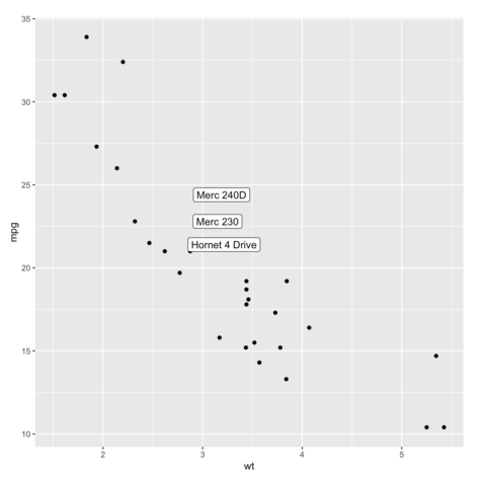
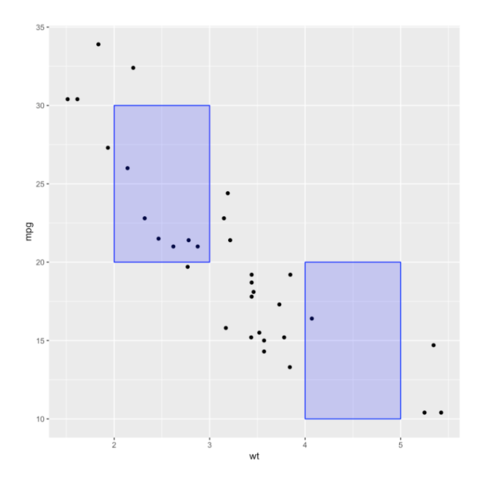
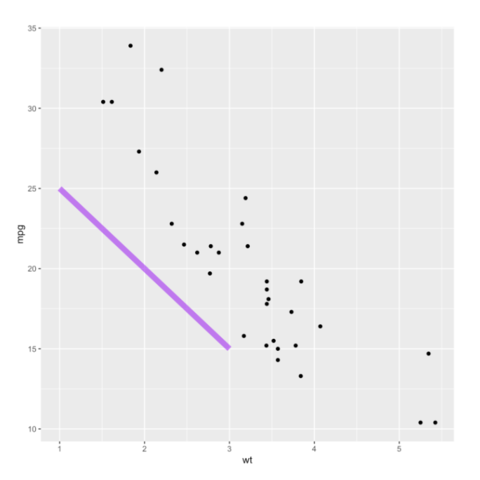
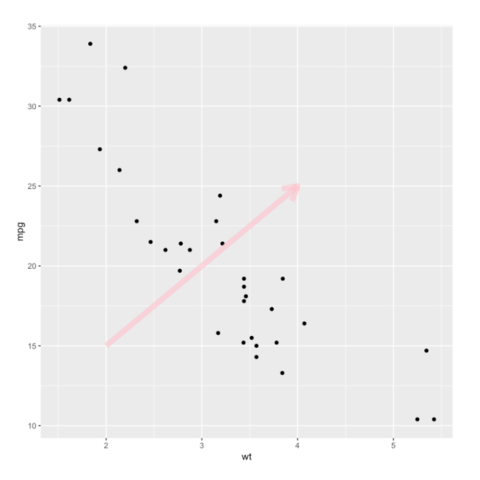
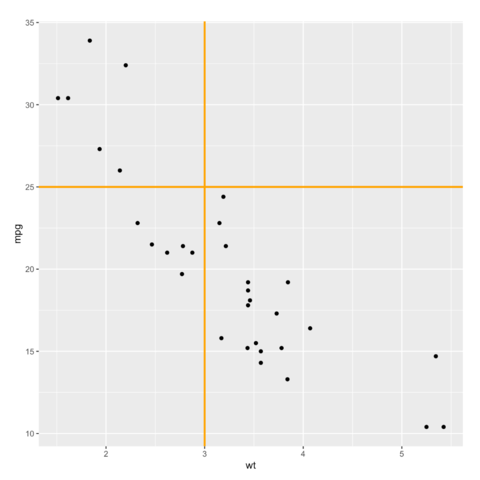
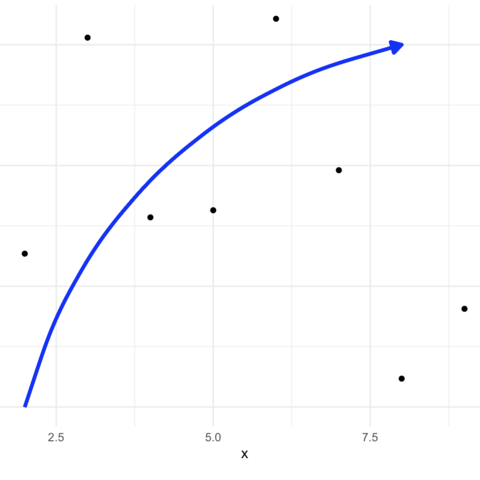
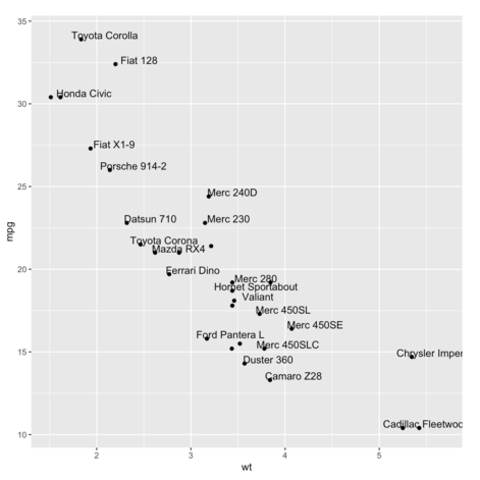
Annotation is a
key step
in data visualization. It allows to highlight the main message of the
chart, turning a messy figure in an insightful medium.
ggplot2 offers many function for this purpose, allowing
to add all sorts of text and shapes.
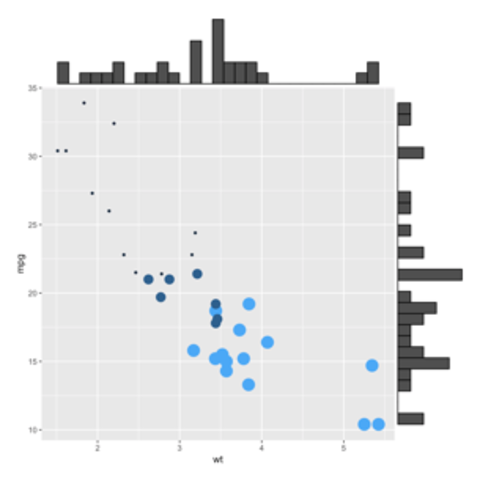
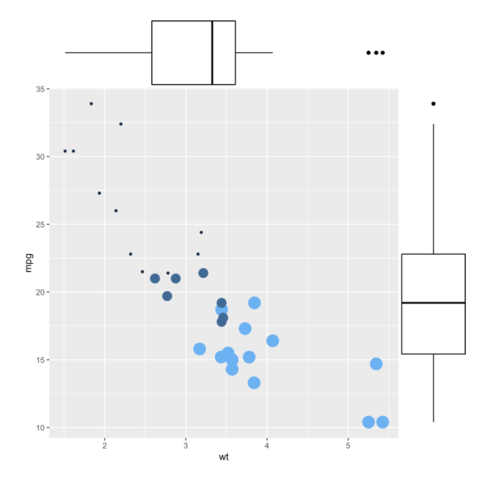
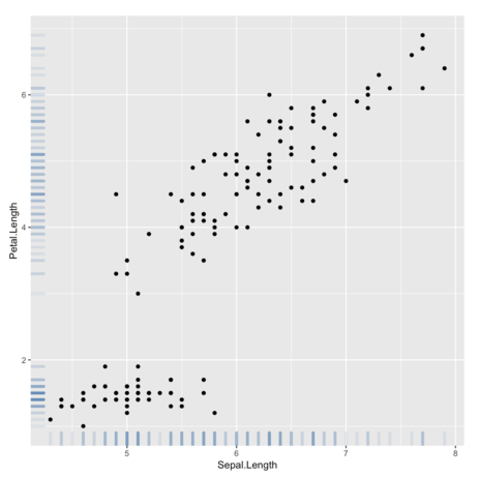
Marginal plots are not natively supported by ggplot2, but
their realisation is straightforward thanks to the
ggExtra library as illustrated in
graph #277.
ggplot2 chart appearance
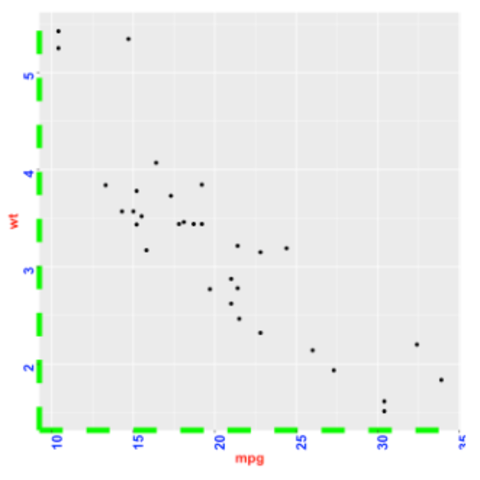
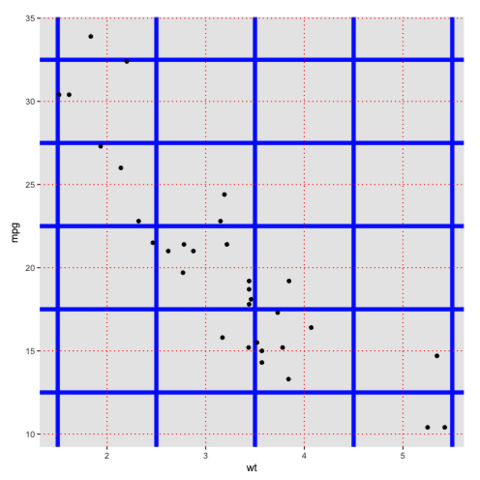
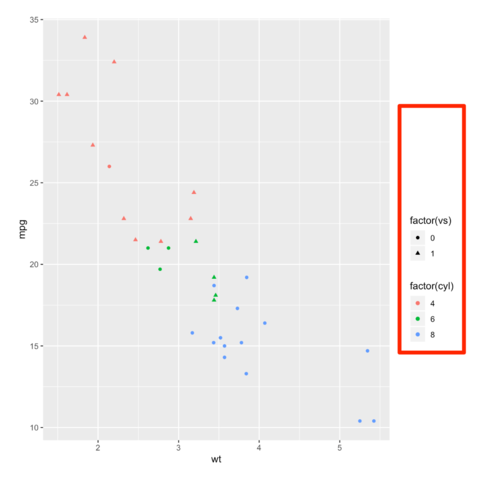
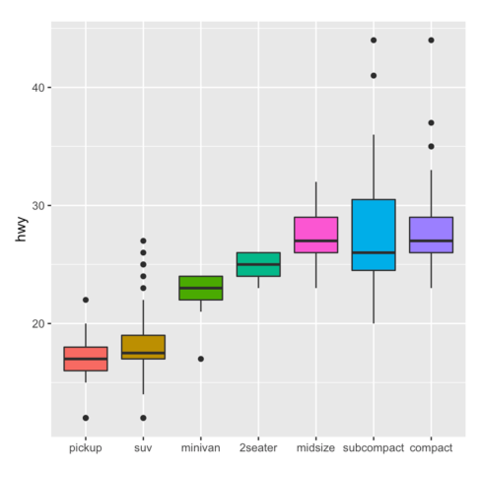
The theme() function of ggplot2 allows to
customize the chart appearance. It controls 3 main types of
components:
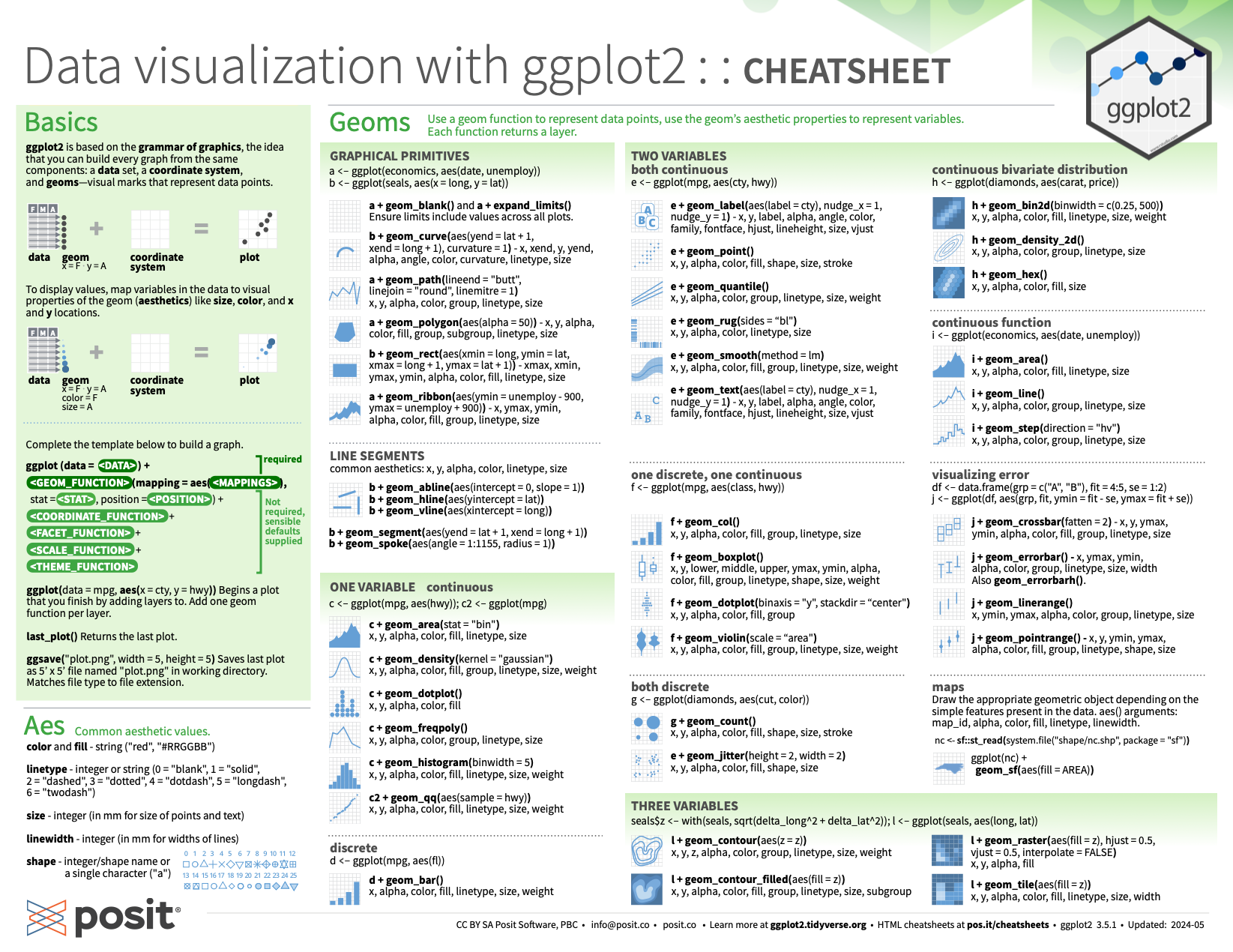
Here’s the official ggplot2 cheatsheet created by Posit. It covers all the key concepts of the library.
I've also compiled it with the most useful R and data visualization cheatsheets into a single PDF you can download:
ggplot2
A cheatsheet for quickly recalling the key functions and arguments of the ggplot2 library.
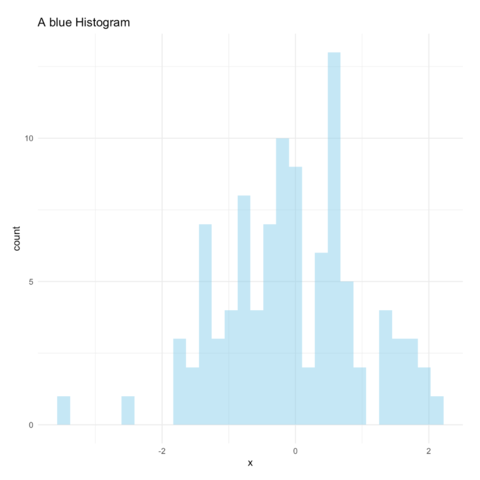
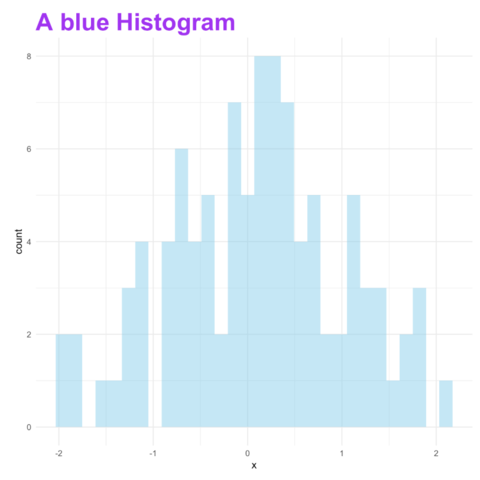
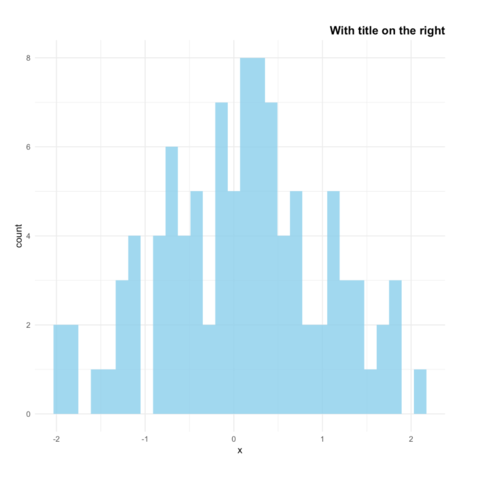
ggplot2 title
The ggtitle() function allows to add a title to the
chart. The following post will guide you through its usage, showing
how to control title main features: position, font, color, text and
more.
ggplot2
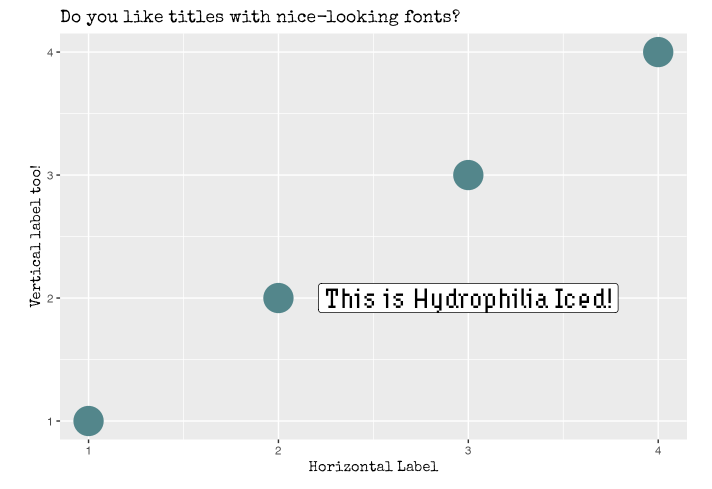
If you don't want your plot to look like any others, you'll definitely
be interested in using custom fonts for your title and labels! This is
totally possible thanks to 2 main packages: ragg and
showtext. The
blog-post below
should help you using any font in minutes.
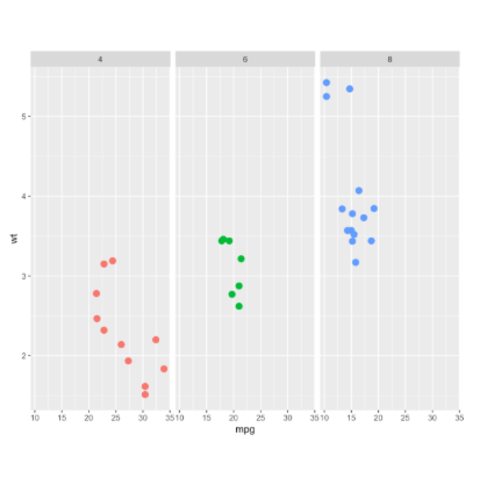
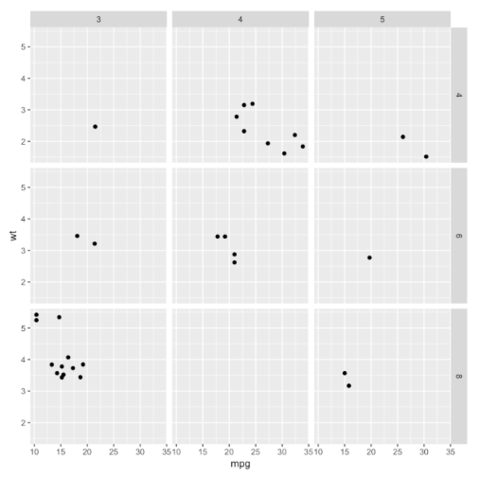
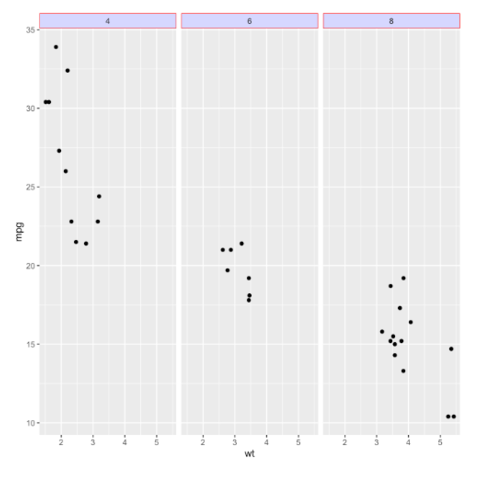
facet_wrap() and
facet_grid()
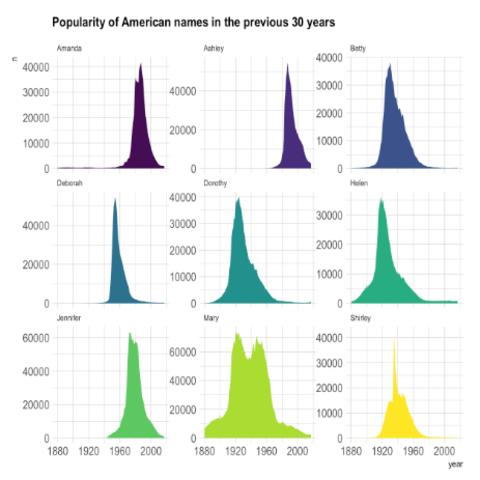
Small multiples is a very powerful dataviz technique. It split the
chart window in many small similar charts: each represents a specific
group of a categorical variable. The following post describes the main
use cases using facet_wrap() and
facet_grid() and should get you started quickly.
It is possible to customize any part of a ggplot2 chart
thanks to the theme() function. Fortunately, heaps of
pre-built themes are available, allowing to get a good style with one
more line of code only. Here is a glimpse of the available themes.
See code
Veterinary science plays a critical role in understanding and addressing animal behavior. Veterinarians are trained to diagnose and treat medical conditions that can affect animal behavior, such as pain, anxiety, and neurological disorders. By combining behavioral observations with medical evaluations, veterinarians can develop effective treatment plans that address both the physical and behavioral needs of animals.
As we continue to learn more about the intricate social structures and behaviors of animals, the field of animal behavior and veterinary science has become increasingly important. This interdisciplinary field combines the principles of animal behavior, psychology, biology, and veterinary medicine to understand and improve the welfare of animals. In this article, we will explore the fascinating world of animal behavior and veterinary science, highlighting the latest research and advancements in the field.
The field of animal behavior and veterinary science is rapidly evolving, with new research and advancements emerging regularly. By combining the principles of animal behavior, psychology, biology, and veterinary medicine, researchers and practitioners can gain a deeper understanding of animal behavior and improve animal welfare. As we continue to learn more about the complex social behaviors and emotional lives of animals, we can develop more effective strategies for promoting human-animal bonding and improving the lives of animals worldwide.
Animal behavior is a complex and multifaceted field that seeks to understand the interactions between animals and their environment. By studying animal behavior, researchers can gain insights into the cognitive, emotional, and social processes that underlie animal behavior. This knowledge can be used to improve animal welfare, prevent behavioral problems, and promote human-animal bonding.